Elder
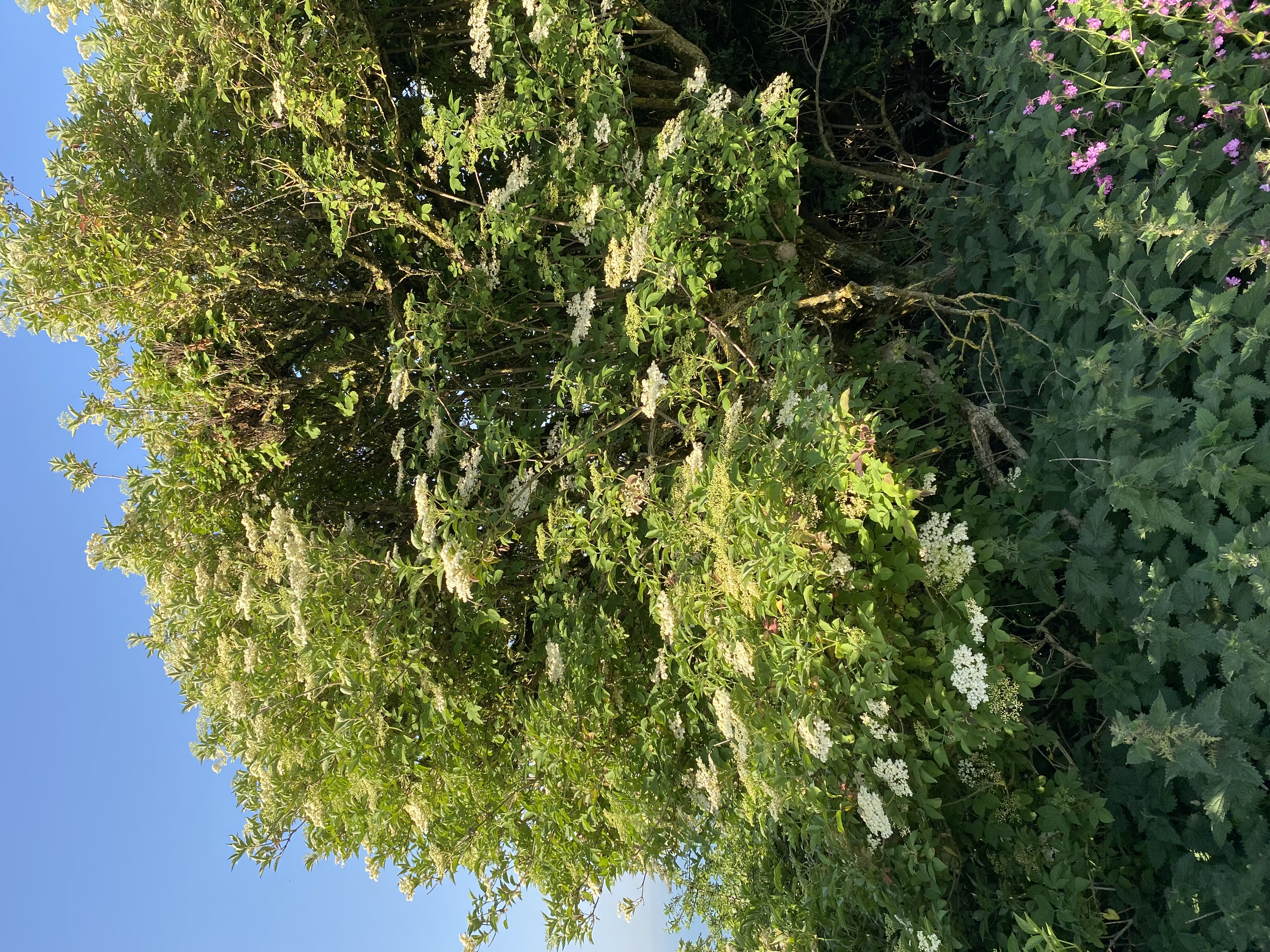
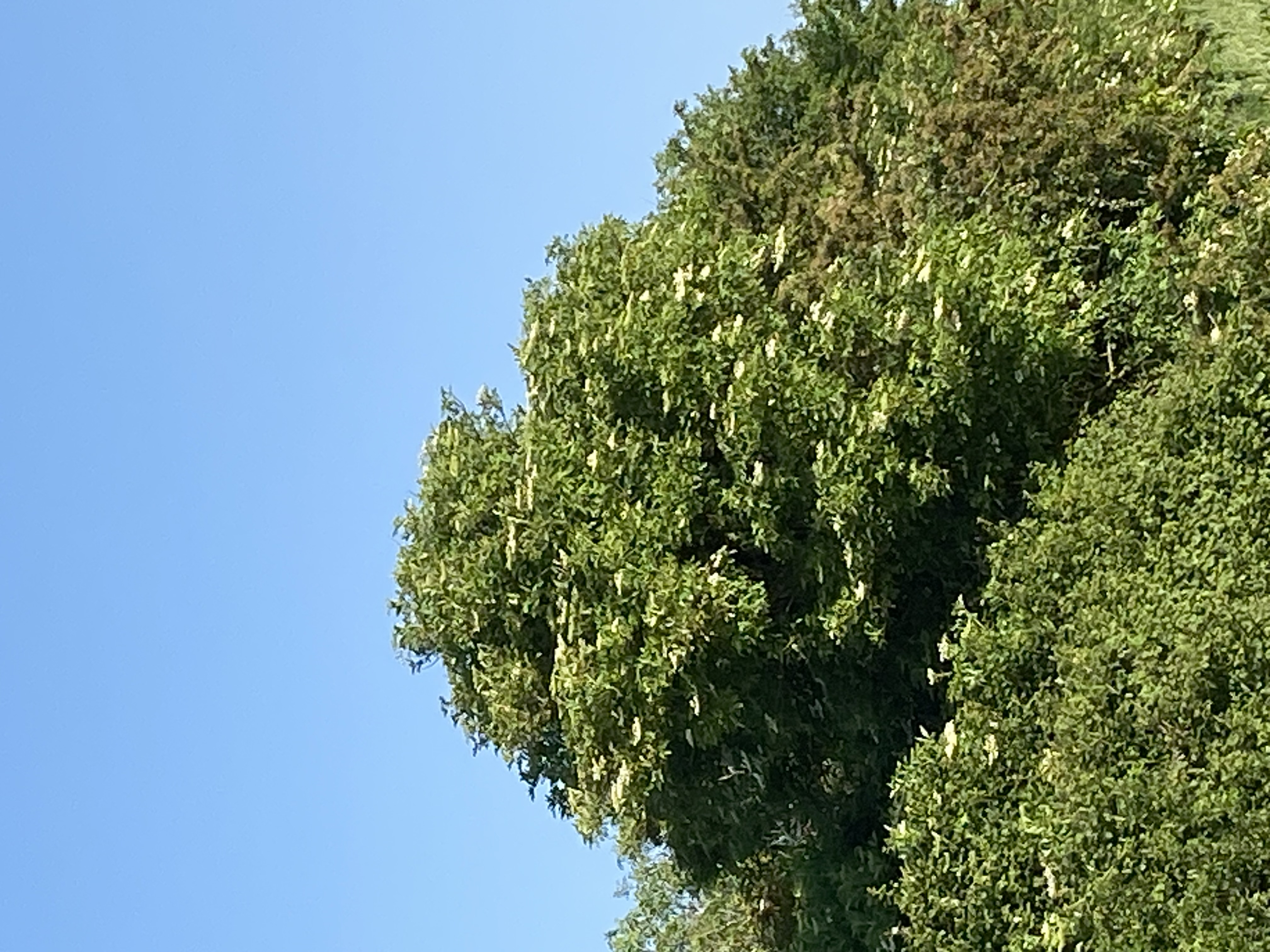
Species: nigra
Native: Yes
Edible: Yes
Description
Elder
Sambucus nigra
Native • Edible
Feared by the devil. Favoured by foragers. Elder is the very essence of summer, with clouds of fragrant, creamy-white flowers followed by clusters of soot-dark berries.
Few British trees carry such a rich mixture of food, folklore and superstition. Elderflowers have long been gathered for cordials, wines, syrups and fritters, while the ripe berries are traditionally cooked into jellies, preserves and wine. The leaves, bark, stems and unripe berries should not be eaten.
Elder was once considered a powerful protective tree. Planting one beside the house was said to keep away evil spirits, witchcraft and even the Devil himself. Yet the tree demanded respect. Folklore warned against cutting an elder without permission or burning its wood in the home.
Some traditions believed the tree was inhabited by the Elder Mother, a protective spirit who could punish anyone who damaged her tree carelessly. Sleeping beneath an elder was also considered risky. You might encounter fairies, spirits or other inhabitants of the unseen world.
Christian legends later became entwined with the older folklore. Elder was said to be the tree from which Judas Iscariot hanged himself, although there is no historical basis for the story. Curiously, the ear-shaped fungus known as Judas’s ear is particularly fond of growing on elder wood.
Its soft-centred young branches can be hollowed easily and were once made into whistles, pipes and children’s pea-shooters.
Common, untidy and easily overlooked, elder is one of the great characters of the British hedgerow. A source of food, drink, medicine, music and superstition, it has been living alongside us for centuries.